

The project, titled ‘Falling through the cracks: Addressing the hidden dangers of falls’, was developed as part of the James Paget University Hospitals (JPUH) Research and Evaluation Scholarships, funded by NICHE.
The project combines research, evaluation, and quality improvement theory with real-life patient experiences to explore risk factors for falls in people over 65, particularly in rural and coastal areas such as Long Sutton and South East Lincolnshire.
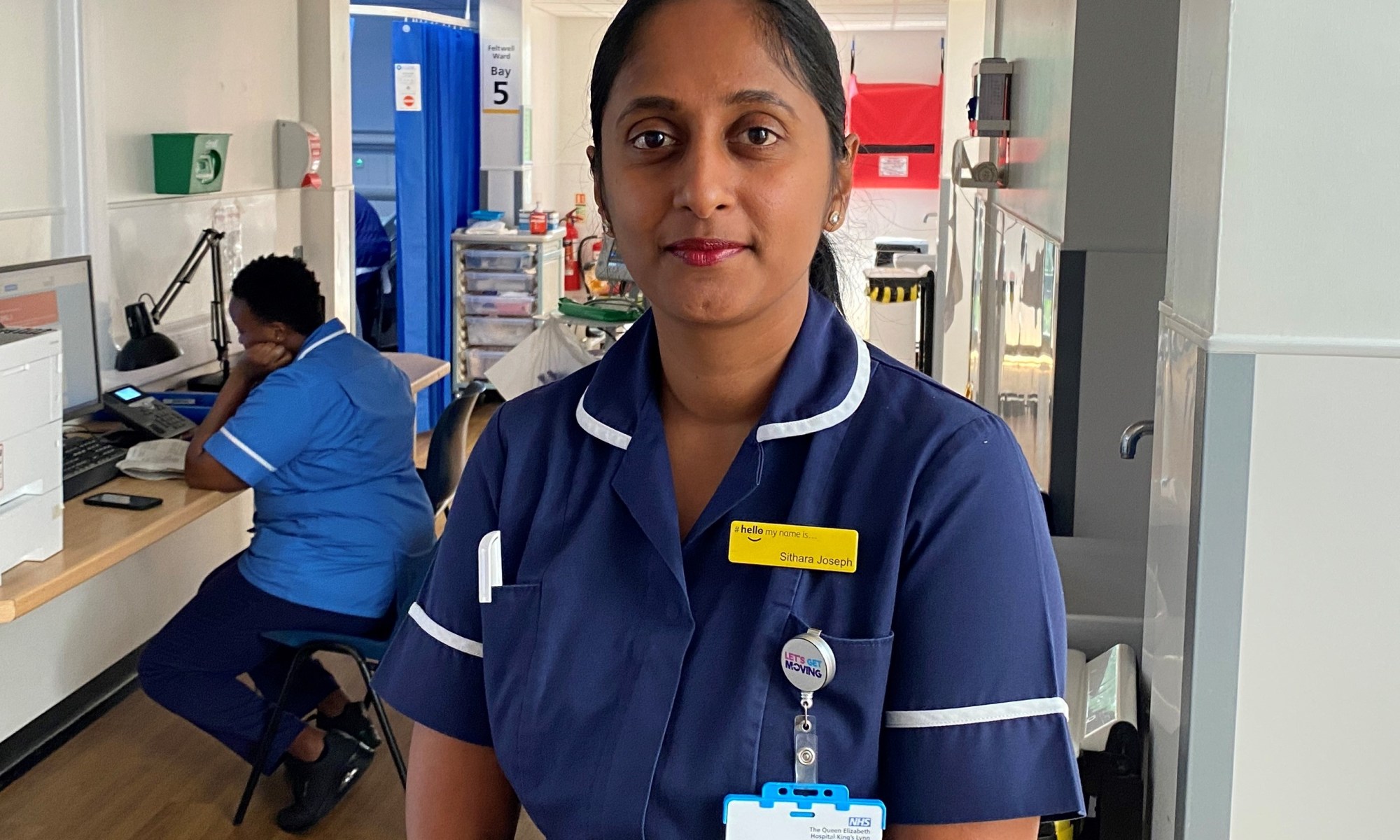
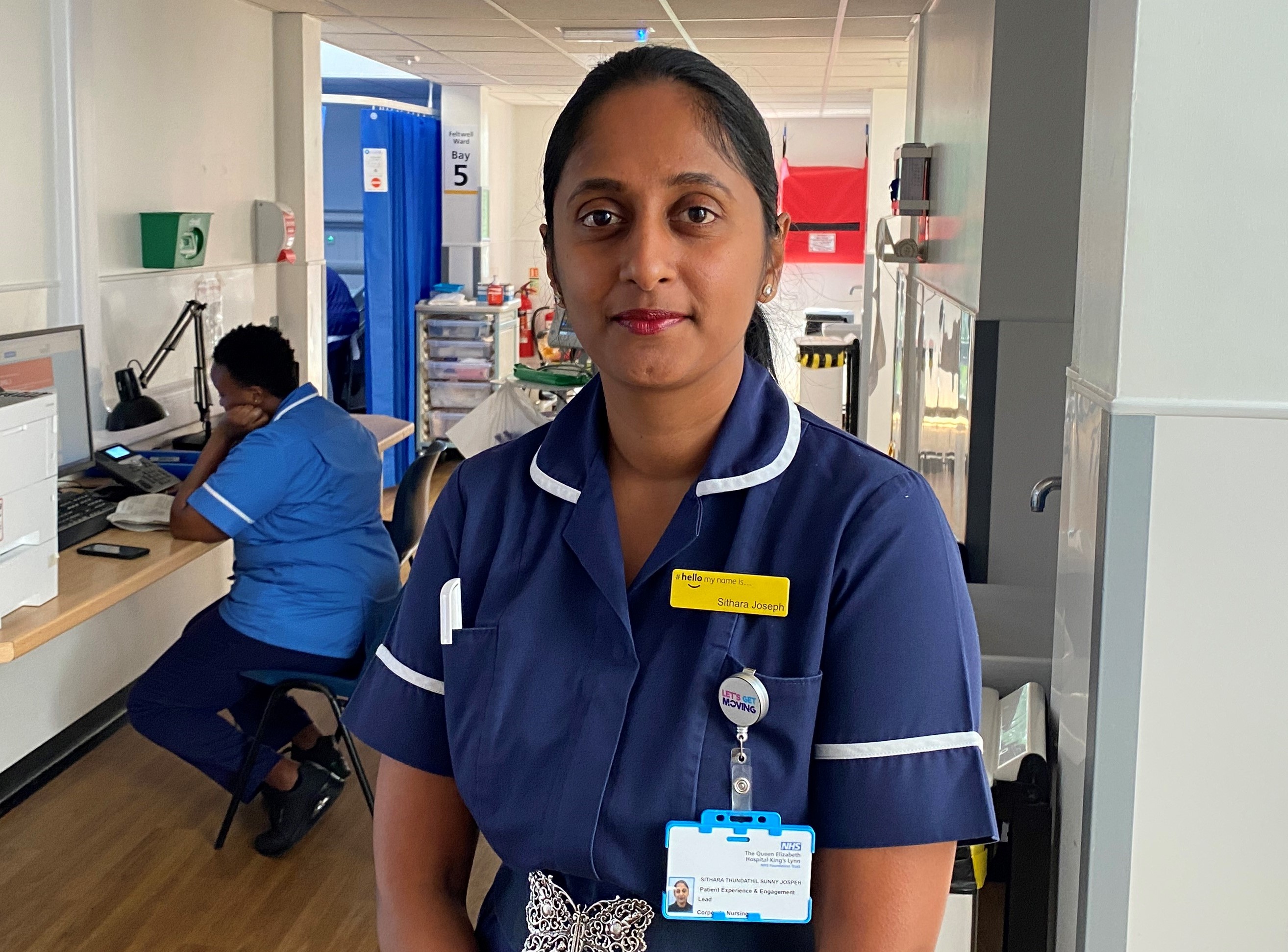
Led by Sithara Thundathil Sunny Joseph, Patient Experience and Engagement Lead at The QEH, the project highlights opportunities to enhance support for older people – such as improving access to local wellbeing services, ensuring consistent falls risk assessments, and helping more people access digital or in-person information about falls prevention.
Sithara said: “This project was born from a genuine concern about why so many older patients were being admitted following falls – particularly in areas like Long Sutton. We wanted to better understand the patient journey and look at how we can work together to make care more joined-up, more accessible and more preventative.
“By listening to our community and working with partners, we can support people earlier and help them stay safe and well at home for longer.”
The project used a mixed-methods approach, including surveys, interviews, and engagement with GPs, carers, community teams, and residents. Findings are already being used to inform local service development and support improvements in communication, early intervention, and wellbeing support.
Key recommendations include:
- Routine falls risk assessments for people over 65
- Strength and balance classes that are easier to access locally
- Alternative communication channels for those without digital access
Pippa Street, Chief Nurse at The QEH, said: “This is a great example of listening to our residents and working collaboratively using patient-centred research to drive patient safety with meaningful improvements. Sithara’s work has been compassionate, thoughtful, and evidence-led – and we are proud of the role it is playing in developing preventative measures, educating and strengthening older people in not coming to harm wherever possible.”
She added: “Our goal is always to provide health education for safer, high-quality care – not just within hospital walls, but out in our communities too. This project is helping us understand more about the challenges people in the community face, so we can offer more proactive, joined-up support across the system.”
The project has also been selected for publication in a frailty journal, helping to share learning more widely across the NHS. As a next step, The QEH team will be sharing findings with Integrated Care Boards and continuing to work with partners to further enhance local falls prevention support.
Ends. Notes to editors; For media enquiries only, please contact Communications Team, media.enquiries@qehkl.nhs.uk or 01553 613216. For all other enquiries, please contact QEH Switchboard on 01553 613613.

