

A small number of patients at The Queen Elizabeth Hospital King’s Lynn (QEH) and the Norfolk and Norwich University Hospital (NNUH) took part in a study monitoring use of a new synthetic product to stop bleeding in the bladder.
Radiation cystitis can occur up to 15 years after pelvic radiotherapy for treatment for cancers of the prostate, bladder, anus and female reproductive organs and can lead to pain, incontinence and blood in urine.
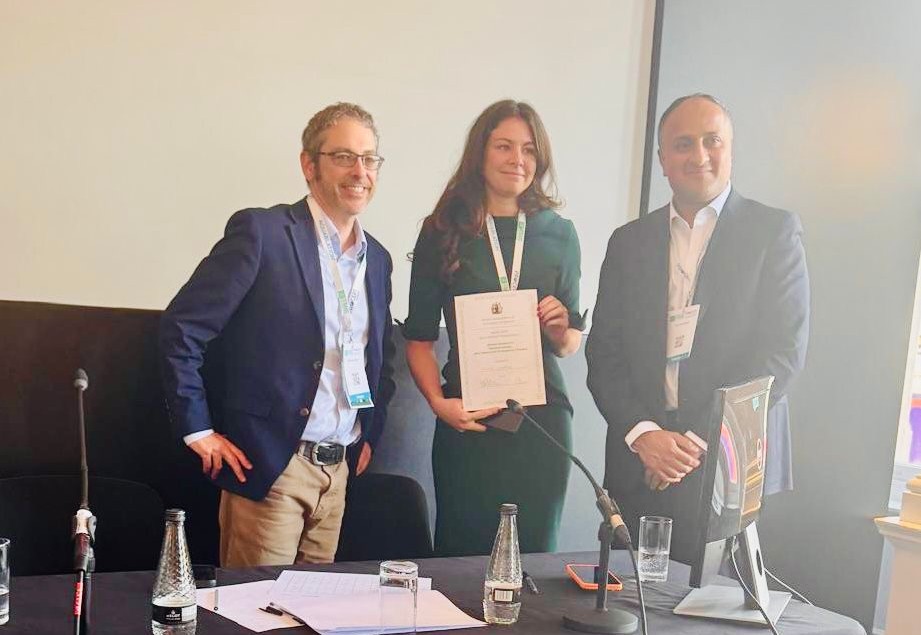
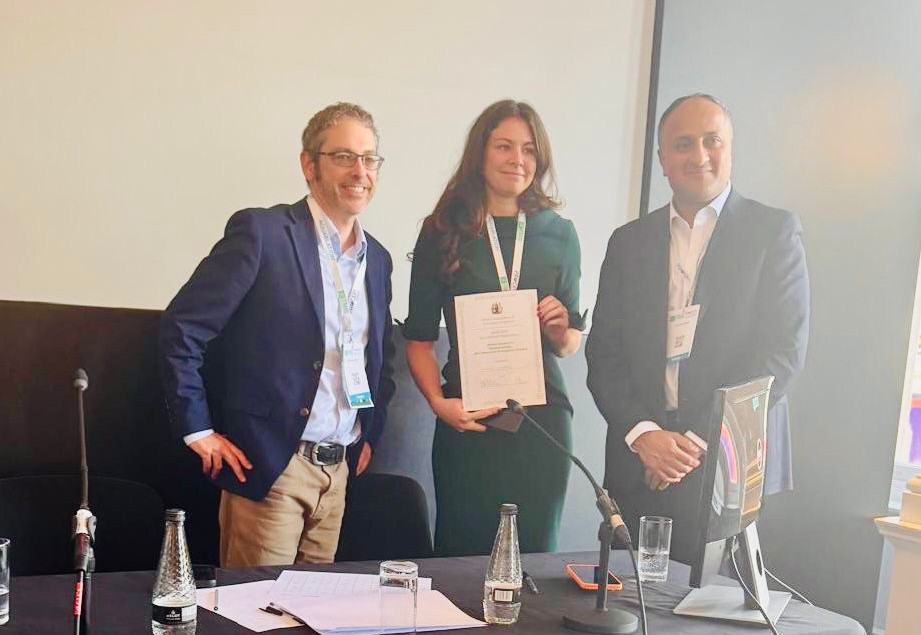
The urology team received an award from the British Association of Urological Surgeons after presenting the initial results of their work using a synthetic gel – PuraStat (RADA16) – to stop the bleeding for patients with severe radiation cystitis.
For some patients, the condition can cause repeated A&E attendances, emergency admissions and transfusions as well as a profound loss of quality of life.
Professor Cristian Ilie, Consultant Urologist at QEH and NNUH, said ten patients received the treatment with all patients having the bleeding fully controlled three months after the procedure and with no complications.
He said: “Radiation cystitis is not very common, but it can be very difficult to treat and there is a group of patients who keep coming back into hospital and have repeated hospital admissions. For some patients, they opt for having their bladder removed, which is a very drastic option.”
“It was a small number of patients who took part in the study, but the results speak for themselves for finding a solution to a difficult to treat condition. We received patients from Bristol and Worcester who did not have a solution or treatment for this condition. The first patient we have treated is still doing well three years on.”
The urology team won best ePoster presentation at The British Association of Urological Surgeons annual meeting after demonstrating a 97% reduction in hospital visits and 98% reduction in days spent in hospital for the patients who received the treatment.
Urology Consultant Anne Carrie, who delivered the presentation that received the award, said: “I am delighted and grateful to be involved in this important research project, working alongside colleagues to help develop new treatment options for patients living with radiation cystitis and to improve their quality of life.”
Dr Rebecca Martin, Medical Director at The QEH, said: “This research demonstrates the vital role NHS organisations can play in driving innovation that directly benefits patients. Seeing a QEH-led project receive national recognition is something we are incredibly proud of, particularly as it has the potential to transform the care and quality of life for people living with this challenging condition. We look forward to building on these encouraging early results through a larger clinical trial and continuing to work with our partners to bring new treatment options to patients.”
Prof Ilie added that the project demonstrated the case to extend the treatment to a wider group of patients and across other hospitals with plans to apply for a research grant in the Autumn to carry out a bigger clinical trial.
The research was led by the QEH and carried out in collaboration with academic, industry and engineering teams from Anglia Ruskin University, Camgenium, HealthiumPro and 3Dmatrix.
Ends. Notes to editors; For media enquiries only, please contact Communications Team, media.enquiries@qehkl.nhs.uk or 01553 613216. For all other enquiries, please contact QEH Switchboard on 01553 613613.

